Wednesday, April 15, 2009

Tourism at Home


Mom and Barbara came for a visit. I don't think Mom would have come without Barbara so I am grateful for her willingness to travel to see us and to bring Mom. I had pretty much resigned myself to the idea that my mother would probably never visit us again.

We did lots of fun things. David took the week off. We went whale watching. Gray whales are not as exciting as orca's but it was still a chance to see whales and it was still pretty cool. We saw cormorants, grebes and bald eagles along with the whales. This picture is of cormorants on top of pilings as we pulled into the dock. The whales are too hard to get a picture of, but we did get to smell whale breath. The gray whales feed on the bottom and have kind of a mucky smelling breath.


We went up to Skagit Valley for the daffodils blooming in the fields. That is the picture that is at the top. It would normally be tulips by this time of year, but it has been a cold winter. The peak bloom will be beautiful in a couple of weeks. This is the largest bulb producing region in the world and is pretty impressive when in bloom. These are some early tulips.


Our outside activities were somewhat limited by the weather, but we did manage a little walk in our nearby woods where the fungus was fascinating and the trillium was in bloom.


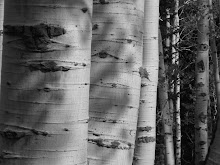
We also spent a little time with a stroll in the Arboretum. And I as usual enjoyed the shaggy bark of this tree - whose name I can't recall.


Our Camellia won't be blooming this year because of the cold winter. But there were some beauties in the Arboretum.


We went to Pike's Market where the flower stalls were also beautiful with daffodils. They even air brush some of them an orange color, but the ones in the picture are all natural.

We walked along taking advantage of some of the free tastes along the way. Expensive balsamic vinegar flavored with blackberry could have had us standing around that booth for a long time and then there are the Chukar Cherries (chocolate covered dried cherries), ummmm.


We went to the glass museum in Tacoma. It is pretty cool to watch them blow and shape glass in the hot shop there adn walk across the bridge of glass. I'll have to wait for Barb to send pictures of that one as I didn't bring my camera. Look for Tacoma Museum of Glass on the internet and you can see glass blowing on the internet.

We also took the Boeing tour. Kids - it's much better than it was when you guys were young and we took it on a spring break. It was pretty impressive to see five planes in one building. Again -- no pictures - they will confiscate and not return your camera if you try to take it on the tour.

Lots of fun activities, good food, and a restful round of "Jeeves and Wooster" in the evenings. Almost too much fun for one week.

Thursday, April 2, 2009

Conservation


This pretty white sand on the drive way is the stuff that came from the bottom of our water heater when we drained it. We finally did what the plumber recommended several years ago when we replaced the water heater. He said it extends the life of the appliance and conserves energy. We are now convinced as we estimate that there was about an inch of percipate in our water heater. The good news is that it is nice and white - not rusty.

We've made a few other conservation measures this last winter. We replaced a toilet. Again talked with the plumber to find out what low flow toilets work the best and this one is far better than it's predecessor. We changed the aereators in our faucets to one gallon per minute aereators. I don't notice it anywhere but in the kitchen when I'm filling a pot of water for pasta. We also replaced our shower heads. This one I do notice because the spray pattern is not as wide as the old one. The final thing we did was to turn down the heat on the water heater. We figured with only two of us living here we used less water than when the whole family was here. I notice that my shower water is not as hot, but it doesn't seem to make very much difference in the pace at which we do other things. We have enough hot water for the two of us.

Results are a little hard to quantify, because we also went from having young adults with their "late night - lights on" life style to having just two of us pretty much on the same schedule. However, our heating bill went down $14 a month. Some of it had to be our conservation efforts.

Roasted Red Pepper Soup


We had this yummy soup at a restaurant a couple of years ago and were eager to make it at home. We've experimented with good flavors and various ways of making it and have come down to a basic plan that is enhanced with whatever herbs you like with these flavors. This is easy, but not specific. Make it how you like it.

Last week WinnCo had red peppers on sale for 68 cents each. That is a great deal around here when the normal winter price is about 2 dollars apiece. So I loaded a big bag and took them out to the grill to roast them. Turn as the skins blacken and blister to get all sides roasted. When they are blistered all around, put in a paper bag and roll it closed. Let them steam in the bag for a 20-30 minutes or so. Scrap the skin off and remove the stem and as many of the seeds as you want to remove. Blend it to a puree. If you do a bunch at once you can freeze the puree in whatever size portions you want. I now have a bunch of red pepper popsicles in my freezer - almost instant soup.

Alternatives to grilling the peppers include oven roasting, roasting on stove top over a gas burner or in a cast iron pan. I just think that I can do a lot more peppers in less time if I roast them outside on the grill.

For the soup combine red pepper puree with chicken broth and potato flakes (or real mashed potatoes if you want) to get the combination of flavor and density of soup that you like. Add herbs that you like. I kind of like thyme and a very little bit of oregano with snipped chives to garnish it - but that is what I have in the garden.
Salt and Pepper to taste.

Saturday, March 21, 2009

Hellebores

The crocus are done but the Hellebores are out. It is the Hellebores natural habit to drop it's head and the petals and the tough sharp edged leaves provide a dry haven for the pollinating insects.


These Hellebores are in the backyard, which is usually a couple of weeks behind the front seasonally because of the shade of the house. The one in the front by the crocus does not flourish.


I am pleased that these plants are reproducing. They seem happy in their home. They were "pound plants" they came from the discount plant rack of distressed plants at the local "we sell everything" store. The moss and the lichen looked beautiful today on the trunk of the Japanese maple.

Lines in the Sand


=
I was chatting with my mother a few days ago and this memory came up. She didn't remember, but I did - possibly because of the disappointment. When I was about five years old, we traveled by train to San Diego. The train trip was another vivid memory of my childhood, but is not what I want to remember today. My memories of San Diego include it's wonderful zoo and the giant tortises there. Perhaps the tortise was the most memorable animal of the zoo because we would ofen see box turtles on the road side in Kansas. We would occasionally persuade mom to stop and pick them up and we would bring them home and try to feed them. They didn't adapt well to captivity; if all the children of Kansas did what we did, the box turtle population would have been descimated in that baby boom generation... We went to Disneyland and I found it scary. I've never become a rider of carnival rides possibly because of that early experience. None of this has anything to do with lines in the sand however.

We went to the beach. We walked out on the hot dry sand, none of us in beach clothes, filling our shoes with sand. We reached the point where the waves had darkened and hardened the sand. Dad leaned down and drew a line in the sand and said, we'll go when the waves cross this line. I suppose there were many reasons why Dad might not have wanted to spend very much time at the beach. Perhaps he didn't want his kids returning to his sisters house with clothes full of sand. Perhaps there was a plan for something else later that day and he didn't want to get us all cleaned up again. I suspect it was hot; some of us sunburned easily and Barbara was a baby. Perhaps the biggest reason was that he was a non-swimmer (as were we at the time) and wasn't comfortable with water play. Whatever his reasons, the very next wave crossed his line - and he really was ready to go. We persuaded him to wait for a few more waves, but not many. Drawing lines in the sand can be disappointing, waves wash them away sooner than you think.

Wednesday, March 4, 2009

A Walk in the Woods

We have been blessed over many years to have a wooded area near our home. The individual who owns the property has maintained trails through his woods. It is a favorite quiet area where we go for oxygen loaded air and to enjoy the changing seasons of a natural area. In years past I would walk alone there- I don't anymore, but it is still beautiful and refreshing. Yesterday was "telecommute day" for David so we went for a mid-day walk. These pictures are some of the beauty that we saw.
Shelf fungus grows readily on dying trees. So does moss. The fungus is almost wood like in it's nature. You can't pull if off. It is not soft like a mushroom. These are hard and woody, but light weight. The moss will peel off, if it is thick.

We looked for the trilliums, but did not see even their first efforts. Trilliums are starting to pierce the ground in our yard, but they have the advantage of being near the house and benefit from it's warmth. We saw, but did not photograph the bright glassy red berries of last year's May Lillies. The May Lillies don't seem to like to be stepped on so they will make the trails easy to find as summer approaches. Right now the trails are invisible, we just follow the routes of memory. Mr. Turk must not be as healthy as in years past. We didn't see him out on this nice day and the areas that he has cared for seem a little run down.


This is the bark of a large old Douglas Fir. These trees are very tall and their wood is very strong. This bark was probably about eight inches thick and it made me think of cork (also a bark) - it didn't seem heavy, it seemed airy inspite of being so thick.


this young Western Red Cedar (think pencils) is growing over the stump of a tree that was previously living in this spot. In a few years when the lower stump is decomposed this tree will look like it rooted in the air. It really rooted on the stump and uses the nutrients it can get from the stump. Sometimes this happens with trees that have fallen on the ground. There will be several trees using the downed tree as a starter/helper. These are called nurse logs because they help the young get a good start.


The bark of a dead tree will separate from the wood of the tree. It kind of curls off. I love the bark of trees.

The picture to the right shows the yellow catkins of the hazel trees. They are one of the earliest signs of spring. Their tassels swing in the light breezes of a cool spring day.


We also found the blue, blue feathers of a Stellars Jayin the leaf mould. We love those birds that spend their winters in this area. They are so beautiful when they spread their blue wings in the sunlight. The larger feathers are blue on one side and black on the other. The only black you really notice on the bird is it's head is black.

Monday, March 2, 2009

Delicate Strength

How do they do it? These crocus are planted beneath a dense mat of Woolley Thyme to help them survive the culinary intentions of squirrels. Every year they slide through the thyme without damage. They close up on cloudy days so they are not attacked by heavy rains. but even then they seem so fragile and suffer more from the rain than from their effort to get through the thyme. How do they do it?

Spring is here! - at least for today; the crocus are the proof. Spring in the northwest is the longest season of the year. It begins hesitantly in February and remains often through the end of June. So here spring with it's qualities of youthful persistence and exhuberance is joyfully welcomed after the heavy gray skies of winter.